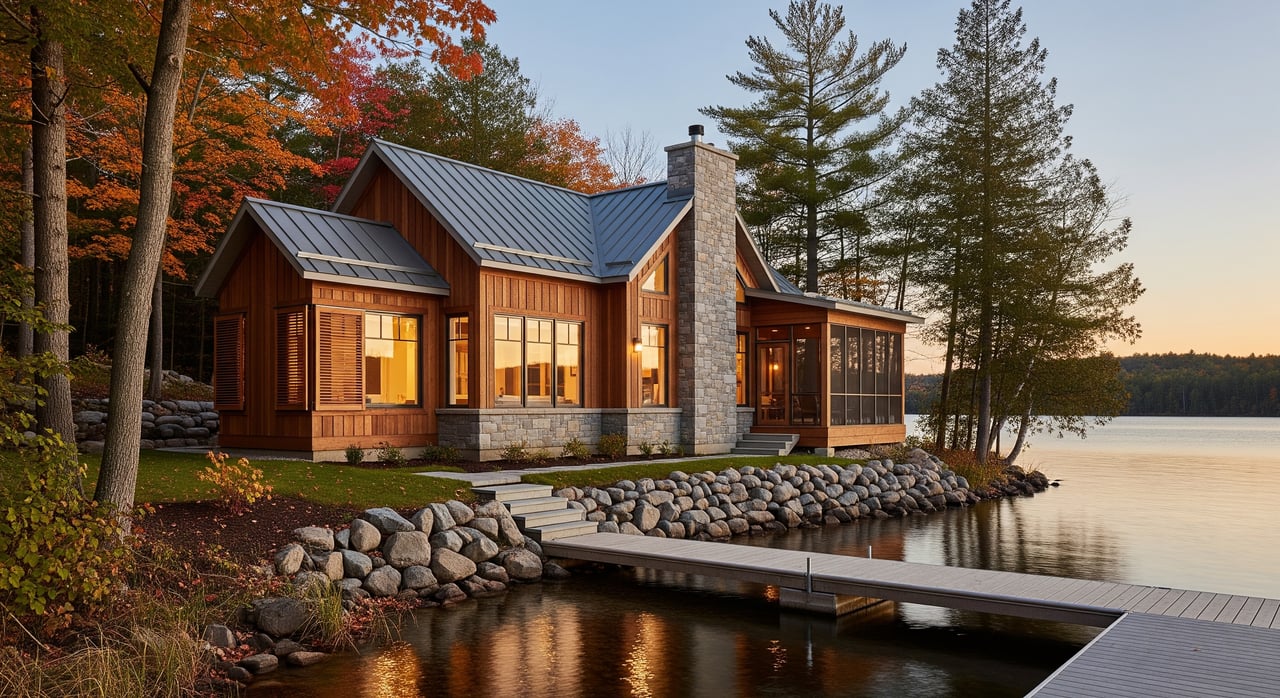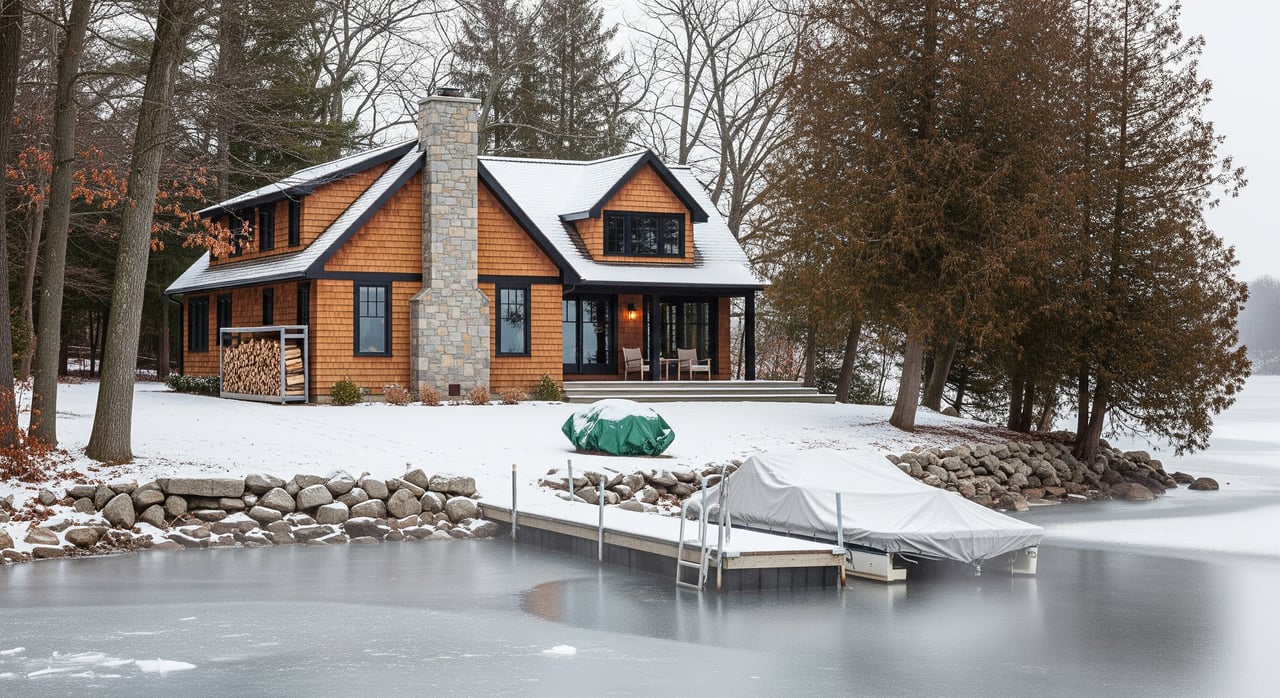
If you love summers on the Rideau and you are staring down your first real freeze in Westport, you are not alone. One hard cold snap can burst pipes, shift docks, and turn small oversights into big repairs. This local guide walks you through when to book services, what to do system by system, and when to call a pro. You will also find trusted links to regional resources so you can double-check rules and weather before you shut the door. Let’s dive in.
When to start in Westport
In the Westport and Rideau Lakes area, the sweet spot for major winterizing is late September through November. Booking early is key. Start lining up dock removal, septic service, and HVAC or boiler appointments in August or early September. Cold snaps can arrive earlier than you expect, so building in a buffer helps you stay ahead of the weather.
If you plan to keep utilities on, arrange weekly or biweekly checks in freeze months. After storms or deep cold, ask for extra visits. Use Environment and Climate Change Canada’s forecast tools to watch for temperature dips that may affect scheduling.
Your quick priority checklist
- Decide on your strategy: heat-on at a low setting or heat-off with a full drain of plumbing.
- Winterize plumbing: drain lines, water heater, and traps; protect exterior spigots; treat low points.
- Service heating and fuel systems: furnace/boiler tune-up, propane check, and detector tests.
- Pump the septic tank if levels are high after summer use and inspect distribution areas.
- Remove docks and lifts before ice; winterize the boat and batteries.
- Secure the cottage: alarms, temperature and water sensors, snow removal, and caretaker checks.
Plumbing and water systems
Choose heat-on or heat-off
If you keep heat on, set a reliable thermostat in the single digits Celsius, often 4 to 10°C. Many insurers expect regular inspections when heat is left on. Review your policy details and confirm specifics with the Insurance Bureau of Canada’s seasonal property guidance. If you prefer to eliminate freeze risk, shut down and drain the system completely.
If you go heat-off
- Shut off the main water supply (municipal or lake intake) and open all taps to drain lines. Consider using an air compressor to blow out residual water.
- Turn off power or fuel to the hot water tank, bypass it, and drain according to the manufacturer.
- Add non-toxic, potable antifreeze to traps, toilet bowls, and low points that may hold water.
- Shut interior valves to exterior spigots, open exterior faucets to drain, and insulate or cap them.
- Mark and insulate exposed pipes in crawlspaces; use listed heat tape where appropriate.
- If you have a well, insulate the wellhead, pressure tank, and any exposed piping. Review Ontario well-owner resources to prevent contamination while you winterize.
Septic system care
After a busy summer, have the tank pumped if levels are high so you do not risk backups during freeze and thaw. Keep heavy equipment off the septic field and distribution areas. Follow Ontario’s septic system guidance for inspection intervals and maintenance best practices.
Heating, electrical, and safety
Schedule furnace or boiler service and replace filters in early autumn. If you use propane, check tanks and lines, and confirm winter access for deliveries. Test smoke and carbon monoxide detectors and replace batteries before you leave. Consider a portable generator or battery backup for essential pumps and keep fuel stored safely.
Protect the building envelope
Clean gutters and downspouts and direct water away from the foundation. Inspect the roof for loose shingles and vulnerable penetrations and address small fixes now. Weather-strip doors and windows and remove screens. In crawlspaces, insulate water lines and close vents if needed, while keeping weep holes and required ventilation clear.
Inside, dry out basements and run a dehumidifier until shutdown to reduce condensation and mold risk. Remove perishables and anything that could attract pests. Store outdoor cushions and fabrics to avoid mildew and freeze damage.
Docks, boats, and shoreline
Plan dock and lift removal
Local marine contractors book up fast in autumn. Coordinate access for equipment and protect soils at the shoreline. Before changing or adding structures, review RVCA permits and shoreline rules and check municipal planning requirements.
Winterize your boat
Follow manufacturer steps for flushing engines, adding appropriate antifreeze, fogging, and battery care. For general best practices, consult Transport Canada marine safety resources. Most owners haul boats before ice; if you leave a vessel in, secure and monitor it according to local guidance.
Shoreline stewardship
Avoid discharging antifreeze or contaminated water into the lake. Use non-toxic propylene glycol where practicable and dispose of fluids at proper depots. Preserve native vegetation buffers to curb erosion and protect water quality.
Insurance, monitoring, and access
Confirm vacancy, heat, and inspection clauses in your policy before you shut the door. If utilities remain on, weekly or biweekly checks are common; for fully drained systems, at least monthly checks and after storms are a smart practice. Add remote temperature and water sensors for alerts. Arrange snow clearing so first responders and contractors can access the property.
For local bylaws, seasonal services, and contact information, visit the Village of Westport and the Township of Rideau Lakes.
DIY vs pro: what to handle
- Consider a pro for: septic pumping and repairs, well or pump work, electrical and HVAC servicing, dock and lift removal, and tree work near buildings. These jobs often require licensing, specialized equipment, or may affect warranty and insurance coverage.
- DIY-friendly tasks: draining interior plumbing and adding potable antifreeze to traps, insulating pipes and installing heat tape per instructions, cleaning gutters, basic weather-stripping, and testing smoke/CO detectors. If you are unsure about fully blowing out lines, hire a plumber for peace of mind.
Eco-friendly winterizing basics
- Choose non-toxic antifreeze for plumbing and boat systems where possible.
- Capture and dispose of used glycol, oil, and fuel through proper hazardous waste depots.
- Protect shoreline vegetation and avoid disturbance that may need permits.
Ready for a smoother close-up?
A well-timed, Westport-specific plan can keep your cottage safe through freeze and thaw and make your spring opening easy. If you are planning changes to shoreline structures, verify permits early. If you are thinking about buying or selling a waterfront property this year, get ahead of the market with local guidance. For thoughtful, full-service support across Westport and Rideau Lakes, connect with STEPHANIE MOLS to schedule a personalized consultation.
FAQs
What is the best month to winterize a Westport cottage?
- Aim for late September through November, and book contractors in August or early September to beat the first hard freezes.
Should I keep the heat on or fully drain the plumbing?
- Both work. Heat-on reduces freeze risk but requires inspections; heat-off eliminates water in lines but demands a thorough drain and proper antifreeze use.
How low can I set the thermostat safely over winter?
- Many technicians reference 4 to 10°C for occupied systems, but policies vary; confirm exact requirements with your insurer.
When should docks and lifts come out on the Rideau?
- Typically in autumn before consistent ice formation. Timing depends on weather and contractor availability, so schedule early and follow RVCA guidance.
How often should someone check a vacant cottage in winter?
- Weekly or biweekly if utilities are on; at least monthly and after storms for fully drained systems, and always follow your insurance policy requirements.